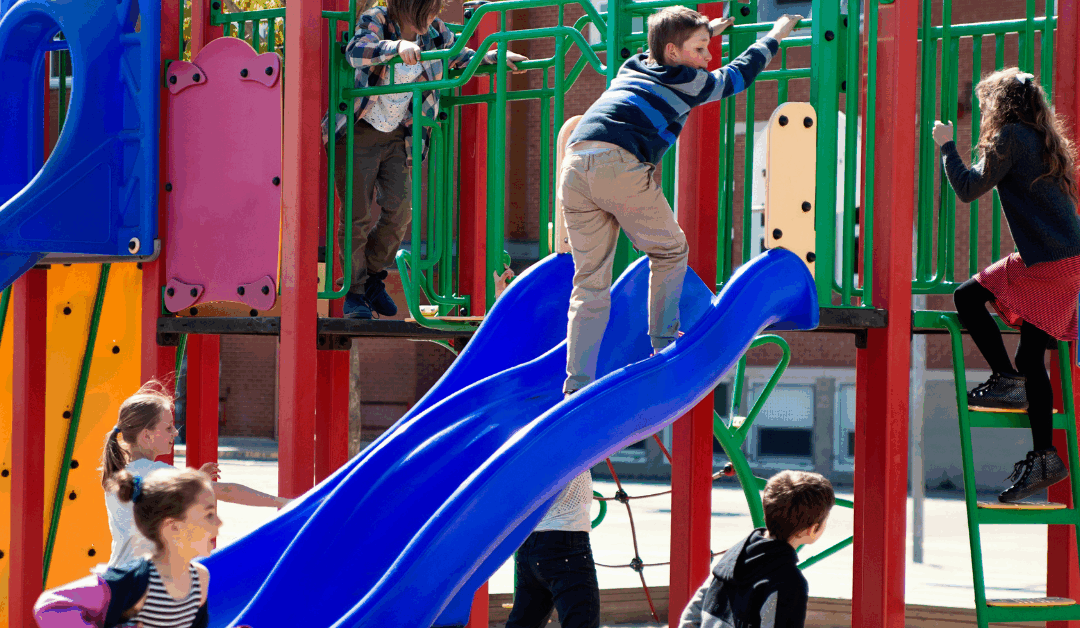
Parents often think of play as a simple way for children to have fun, but research shows it’s so much more than that. The playtime benefits that come from unstructured exploration, imagination, and movement are profound. Play is the language of childhood; it’s how children learn about themselves, others, and the world around them. At A Mother’s Touch in North Raleigh, we see play as an essential part of early education, helping children grow academically, socially, emotionally, and spiritually.
Why Playtime Is More Than Just Fun
Playtime is often described as “the work of childhood.” Through play, children experiment, make mistakes, and discover solutions,all skills that will serve them for life. When children build with blocks, pretend to run a grocery store, or race around the playground, they’re not only having fun,they’re developing cognitive skills, strengthening muscles, and practicing emotional control.
Play allows children to express their creativity and explore cause and effect in a safe environment. It also fosters independence, builds confidence, and helps children learn to take healthy risks. For many, it’s during play that they first learn about sharing, teamwork, and empathy.
The Science Behind Play and Learning
Early childhood experts agree: play directly supports brain development. When children engage in play, they’re making neural connections that strengthen memory, focus, and problem-solving abilities. Studies show that active play helps improve executive function,the part of the brain that manages decision-making and attention.
In other words, when a child builds a tower or creates a story with toys, they’re wiring their brain for future learning success. The playtime benefits go far beyond entertainment; they prepare children for reading, math, and social understanding.
Different Types of Play and Their Benefits
Not all play looks the same, but each form serves a unique purpose in child development.
1. Physical Play
Running, climbing, jumping, and dancing all strengthen coordination and motor skills. Physical play builds endurance, balance, and muscle strength. It also helps children release energy and improve focus when it’s time to learn quietly.
Benefits of physical play:
- Gross motor development: Builds strength, balance, and coordination.
- Emotional release: Helps manage stress and emotions.
- Healthy habits: Encourages lifelong appreciation for movement.
2. Imaginative Play
Pretend play,acting out stories, dressing up, or creating make-believe worlds,develops creativity and empathy. When children role-play, they practice seeing things from another person’s perspective, an important foundation for social-emotional growth.
Benefits of imaginative play:
- Language skills: Expands vocabulary and storytelling ability.
- Empathy: Encourages understanding of others’ feelings.
- Confidence: Builds self-expression and independence.
3. Constructive Play
Activities like building with blocks, painting, or completing puzzles are examples of constructive play. Children experiment with design, shape, and structure, learning how things fit together and how to persist through challenges.
Benefits of constructive play:
- Problem-solving: Teaches patience and experimentation.
- Fine motor skills: Strengthens hand-eye coordination.
- STEM readiness: Introduces basic engineering and spatial reasoning.
4. Social Play
Group games and cooperative activities help children learn about teamwork, fairness, and communication. Sharing toys, taking turns, and following rules teach valuable interpersonal skills that carry into school and beyond.
Benefits of social play:
- Collaboration: Encourages teamwork and empathy.
- Conflict resolution: Builds negotiation and listening skills.
- Friendship: Fosters belonging and self-worth.
The Emotional and Spiritual Impact of Play
Play nurtures more than just the mind and body,it also supports emotional and spiritual growth. Through play, children learn to cope with frustration, express joy, and recover from disappointment. These moments teach resilience and self-regulation, qualities that will help them handle life’s challenges with grace.
At our Christian daycare, we connect play to faith-based values. When children play kindly, include others, and share their toys, they’re practicing biblical principles like compassion, patience, and love. We remind them that play is one of God’s gifts,a joyful way to explore His creation and connect with others.
Outdoor Play: God’s Classroom
Outdoor play holds some of the greatest playtime benefits. Nature provides endless opportunities for discovery. Whether digging in the sandbox, chasing bubbles, or examining bugs under a magnifying glass, children experience awe and wonder that nurture both curiosity and gratitude.
Outdoor play also helps reduce stress and improve concentration. The fresh air, sunlight, and open space give children freedom to move and imagine without limits. We consider our playgrounds and green spaces an extension of the classroom,places where laughter and learning come together naturally.
Benefits of outdoor play:
- Sensory engagement: Exposes children to textures, sounds, and sights that stimulate development.
- Physical wellness: Encourages movement and strengthens immune systems.
- Appreciation for creation: Builds connection to God’s world through firsthand exploration.
How Play Supports Academic Readiness
Some parents worry that too much play might distract from academics,but research shows the opposite. Play lays the groundwork for learning. When children pretend to run a store, they’re practicing counting and problem-solving. When they build with blocks, they’re exploring balance, geometry, and physics.
Through guided play, teachers can integrate academic concepts seamlessly. For example, sorting toys by color teaches classification, while storytelling builds literacy skills. Play keeps learning joyful and meaningful, ensuring that children stay curious instead of overwhelmed.
Creating a Balanced Environment
At our North Raleigh Christian daycare, we design each day to balance structured learning with free play. Structured play includes group games, story circles, and guided crafts,activities that teach following directions and teamwork. Free play gives children autonomy to explore what interests them most.
Both forms are essential. Structured activities provide routine and skill development, while free play nurtures creativity and confidence. Together, they ensure that every child grows into a well-rounded learner with both academic and emotional intelligence.
Encouraging Playtime at Home
Parents can extend the playtime benefits beyond daycare with simple, intentional activities at home.
- Join in play: Let your child take the lead,this builds confidence and imagination.
- Provide open-ended toys: Items like blocks, art supplies, and dress-up clothes inspire creativity.
- Limit screen time: Encourage hands-on exploration instead of passive entertainment.
- Play outside: Family walks, backyard games, or gardening teach children that fun doesn’t require a screen.
Playing together also strengthens family bonds and creates joyful memories that last a lifetime.
Play as God Intended
In Scripture, we find that joy and rest are gifts from God. Play is a child’s expression of that joy,a way to connect with others, explore the world, and celebrate creation. When we value play, we honor the natural way children learn best.
At our Christian daycare in North Raleigh, we see every game, giggle, and sandbox creation as a small miracle in progress. Through play, children grow in body, mind, and spirit,learning to think creatively, love deeply, and see the beauty in the world around them.
Because playtime isn’t just play,it’s powerful learning disguised as laughter.
Contact Us
Call: (919) 877-0101
Email: ms.netta@amtcdc.com
Hours: Mon-Fri: 5:00 am - 6:30 pm
Address: 1024 Lynn Rd Raleigh, NC
Stay Informed
Follow us on social media for updates from our center, parenting tips, Raleigh family events and more.
Copyright © 2025 A Mother's Touch Child Development Center - All Rights Reserved.
Privacy Policy